
Understanding Color Codes for Network Cables: TMT Global Technology Ltd for the Saudi Arabian Market
Introduction to Network Cables
Network cables serve as the backbone of modern communication systems, enabling data transmission between devices such as computers, routers, and switches. In today’s interconnected world, the importance of these cables cannot be overstated, as they facilitate everything from simple home networks to comprehensive corporate infrastructures. Their primary function is to ensure reliable and high-speed connectivity, which is crucial for the effective operation of various applications including internet browsing, video conferencing, and online gaming.Color Codes for Network Cables
There are several types of network cables, each designed for specific purposes. The most common types include twisted pair cables, coaxial cables, and fiber optic cables. Twisted pair cables, such as Category 5e (Cat5e) and Category 6 (Cat6), are widely used in local area networks (LANs) due to their affordability and sufficient bandwidth for most applications. Coaxial cables, though less common for network purposes now, are often used in cable television and broadband internet connections. Fiber optic cables are gaining popularity, especially in enterprise settings, as they offer superior speed and distance capabilities at the expense of higher installation costs.
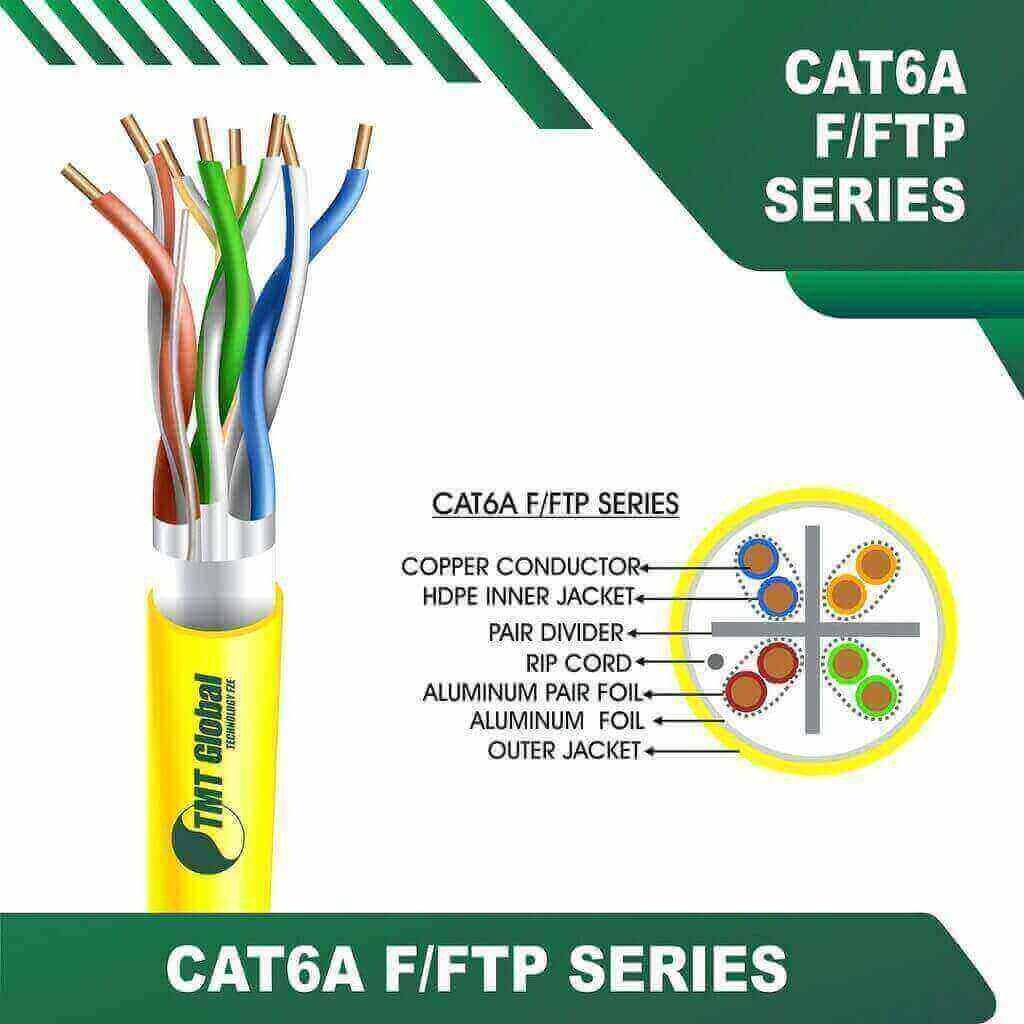
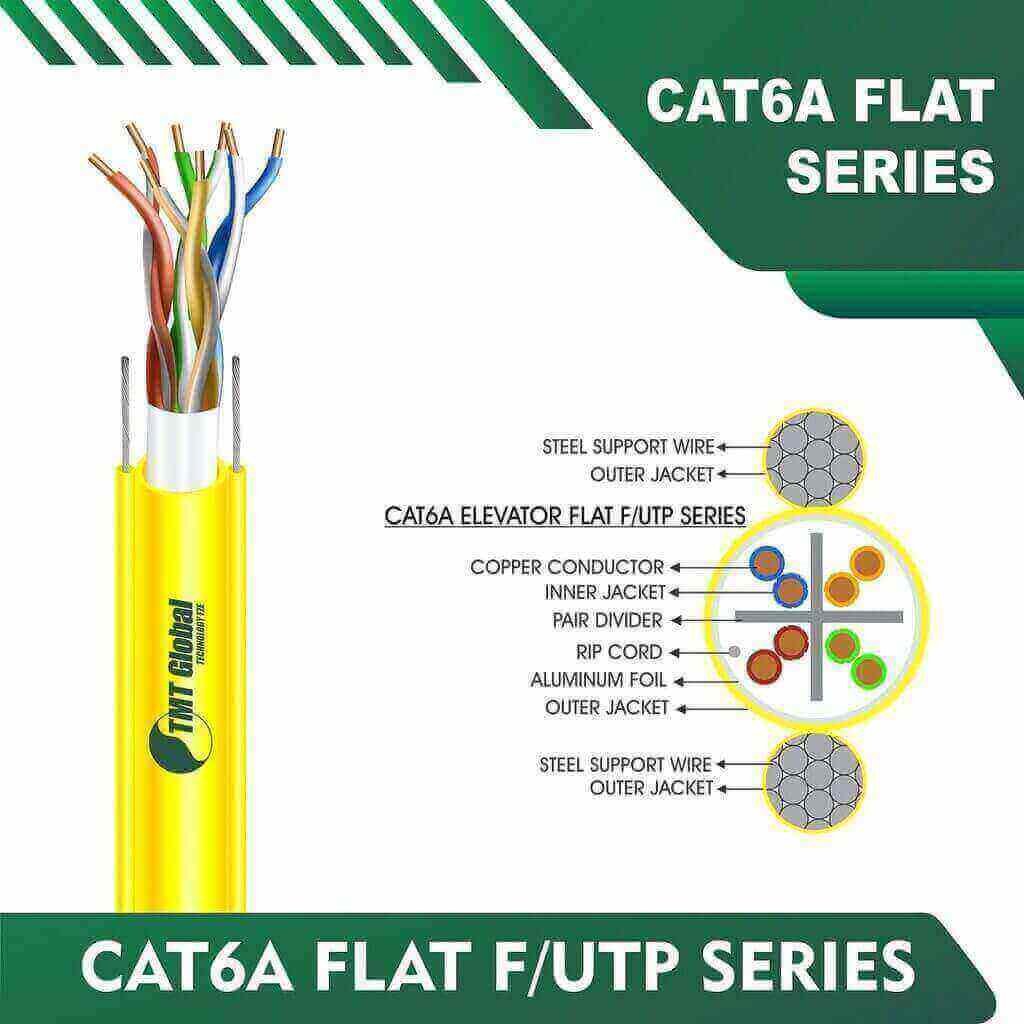
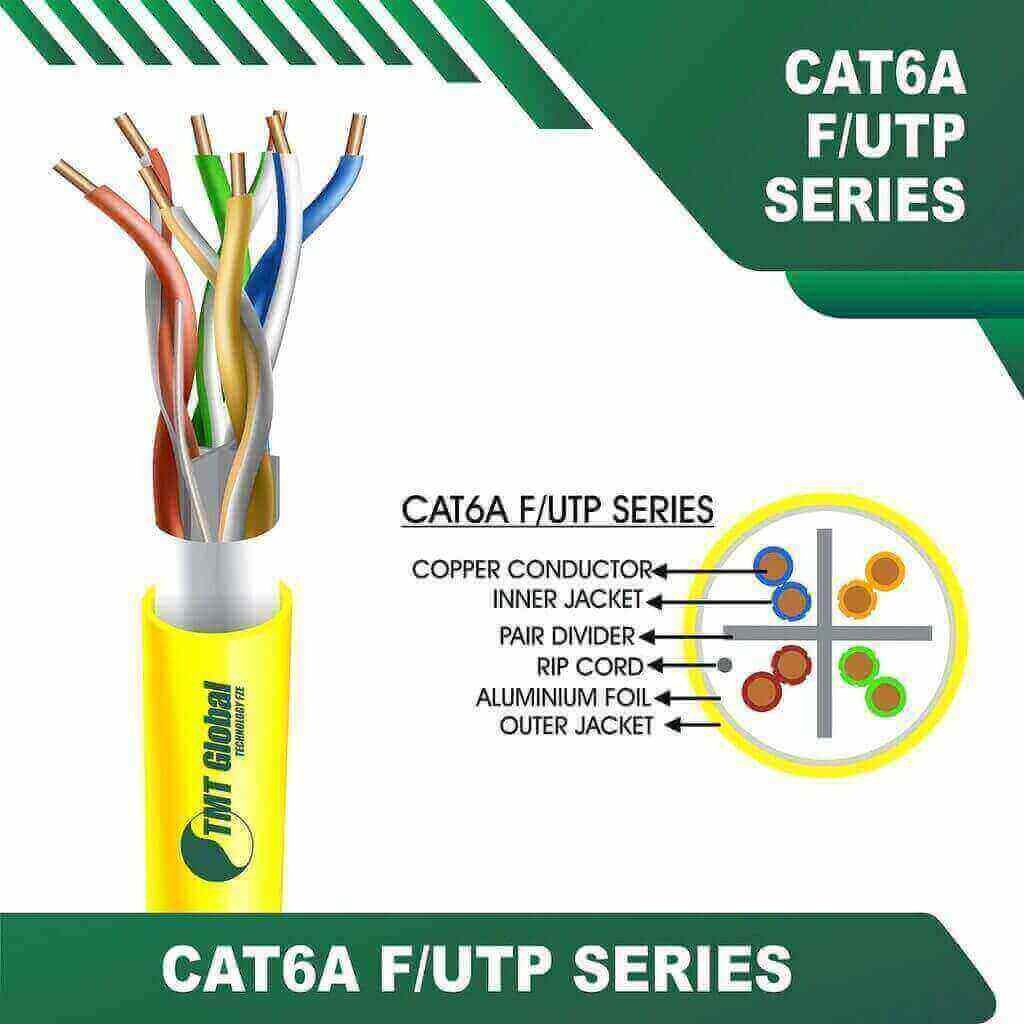
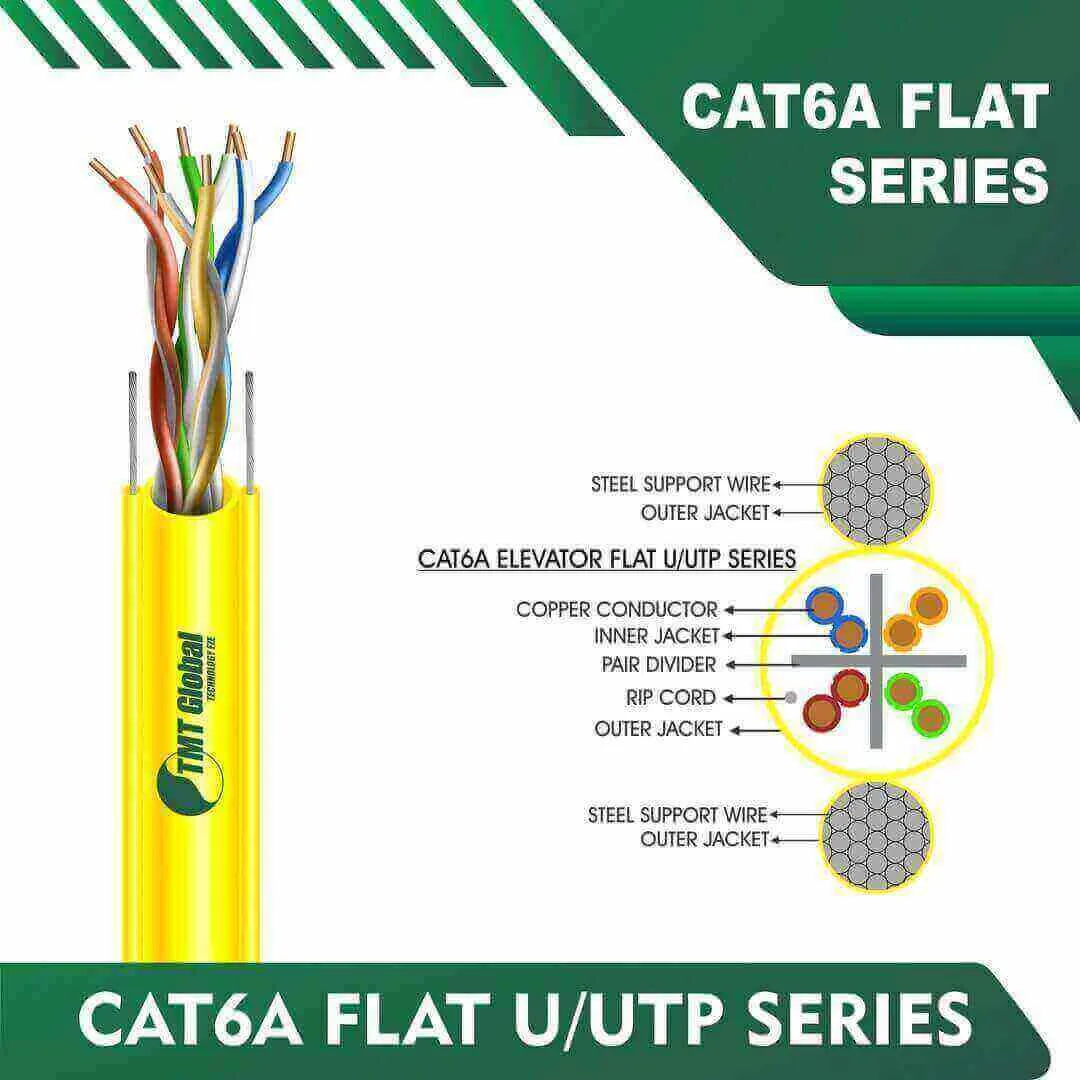
TMT Global Technology Ltd offers a range of high-quality network cables tailored to the Saudi Arabian market. By providing products that meet global industry standards, the company ensures that customers have access to reliable and efficient connectivity solutions. Understanding the various types of network cables is essential for selecting the appropriate solution to meet specific needs. With the right cabling, organizations can optimize their network performance and support their digital infrastructure. Moreover, this sets the stage for a deeper exploration into color coding systems, which play a crucial role in identifying and utilizing these cables effectively.
Overview of TMT Global Technology Ltd
TMT Global Technology Ltd has established itself as a prominent player in the network technology industry since its inception. Founded in the early 2000s, the company was created with a mission to provide innovative and reliable network solutions tailored to meet the diverse needs of the Saudi Arabian market. Its founding principles revolve around quality, efficiency, and customer satisfaction.
Over the years, TMT Global Technology Ltd has focused its efforts on developing high-quality network products that enhance connectivity and performance. This commitment to excellence has enabled the company to forge valuable partnerships with leading manufacturers and technology providers, ensuring that clients have access to the latest advancements in network technology. The firm’s extensive product range encompasses various network infrastructure solutions, including fiber optics, switches, routers, and network cables designed specifically for the demands of the Saudi market.
With a clear vision for innovation, TMT Global Technology Ltd continuously invests in research and development to refine its offerings in network solutions. This proactive approach allows the company to remain at the forefront of technological advancements, adapting to the fast-evolving landscape of the network technology sector. Additionally, the firm emphasizes the importance of local expertise, employing a skilled workforce that understands the unique challenges and opportunities within the Saudi Arabian market.network colour code
Color Codes for Network Cables
Moreover, TMT Global Technology Ltd is dedicated to providing exceptional customer service, ensuring that businesses receive the necessary support and guidance throughout their networking projects. The company’s commitment to quality and innovation aligns with its long-term goal of fostering a sophisticated and reliable network infrastructure in Saudi Arabia, ultimately contributing to the region’s economic growth and technological advancement. cat 6 cabling color code ethernet lan cable color code cat 6 cabling color code internet cable color code network cable color code
Importance of Color Coding in Networking
Color coding is an essential aspect of network cable installation and maintenance, providing significant advantages for technicians and users alike. In a structured cabling environment, the use of standardized color codes facilitates the identification of wire pairs within twisted pair cables, which is crucial for proper installation. Each color serves a distinct purpose, allowing technicians to efficiently navigate the cable’s layout without confusing the connections. This organized approach is vital in minimizing errors during setup, thereby fostering a more reliable network performance. lan cable color coding
During installation, color-coded cables reduce the risk of misconfiguration. Technicians can easily identify the right pairs needed for specific applications, such as digital transmission or voice services. This clarity ensures that cables are terminated correctly and consistently, which is necessary for achieving optimal signal performance. Furthermore, color coding aids in troubleshooting processes by providing a visual guide that can quickly indicate where potential issues may arise. Instead of relying solely on labels or documentation, technicians can reference the colors to identify faults faster, enabling them to address network problems efficiently.
Additionally, maintaining a well-organized color scheme simplifies routine maintenance. As networks expand and evolve, having a clear color coding system allows for easy upgrades and modifications without disrupting existing configurations. This adaptability enhances overall network efficiency, ensuring that all components operate smoothly together. In competitive markets such as Saudi Arabia, where TMT Global Technology Ltd operates, understanding and applying color coding principles can provide a significant edge in network deployment and management. By following standardized coding, businesses can ensure their networks are robust, error-free, and capable of meeting growing demands.
Color Code Standards for Network Cables
In the realm of networking, the significance of adhering to established color code standards cannot be overstated. These standards not only facilitate effective communication across network infrastructures but also ensure compatibility among devices. The most prevalent wiring configurations utilized today are T568A and T568B, both of which are outlined by the Telecommunications Industry Association (TIA) in their standards. color code network cable
The T568A standard is characterized by its unique wiring scheme, where the color code sequence begins with white/green and green, followed by white/orange and blue, along with white/brown and brown. On the other hand, the T568B configuration offers a slight variation, starting with white/orange and orange, before continuing with white/green and blue, followed by white/brown and brown. While the physical characteristics of both wiring standards are identical, the distinction in color coding is crucial for everyday operations and troubleshooting purposes.
category 6 cable color code
TMT Global Technology Ltd recognizes the importance of these standards in the Saudi Arabian market and adheres to both T568A and T568B standards for their network cable production. This adherence not only aligns TMT with international best practices but also assures clients of reliable connectivity options, whether they are setting up a new office network or upgrading an existing system.cat 6 cable color code
For a visual comparison of the T568A and T568B color codes, one can refer to the accompanying diagram, where both standards are illustrated side by side. Understanding these color codes can assist technicians and network administrators in easily identifying and troubleshooting potential issues, thereby enhancing overall network efficiency. By leveraging established color code standards, TMT Global Technology Ltd aims to provide superior networking solutions tailored to the evolving needs of the Saudi market.
Specific Color Codes Used by TMT Global Technology Ltd Cables
TMT Global Technology Ltd employs a standardized color coding system in their network cables, ensuring clarity and consistency across their product range. Understanding these specific color codes is essential for professionals working with network systems, as they facilitate accurate installation and maintenance of network infrastructure. The color codes typically adhere to the TIA/EIA-568-A standards, which are widely recognized in the telecommunications industry.
In TMT Global Technology Ltd’s category 5e cables, for instance, the most common color code consists of pairs of wires that are color-coded as follows: the first pair is solid blue with a striped blue wire, the second pair features solid orange and striped orange, the third pair includes solid green and striped green, and the last pair consists of solid brown and striped brown. Each color serves a crucial role, representing specific data transmission paths within the cable structure.
network color code
Understanding the functionality associated with these colors can significantly enhance the efficiency of network installations. For example, the blue pair is typically used for primary data transmission, while the orange and green pairs are often allocated for secondary data links or telephone lines. The brown pair is commonly applied in applications that require additional data bandwidth like advanced data services or VoIP systems.saudi arabia networking lan color code
TMT Global Technology Ltd also emphasizes the importance of proper pairing as mispairing can lead to reduced performance and increased crosstalk within the network. Professionals must pay close attention to the color codes during installations to ensure that each pair is utilized effectively. This mastery of specific color codes not only promotes efficient data transfers but also contributes significantly to the overall reliability and security of network communications. data cable color code
Distribution in Saudi Arabia: Sahil Global Communication Co.
Sahil Global Communication Co. plays a pivotal role as the distributor of TMT Global Technology Ltd cables within the Saudi Arabian market. The company has implemented a comprehensive distribution strategy that aims to ensure accessibility and reliability for its clients. By leveraging its extensive network and regional expertise, Sahil Global effectively addresses the growing demand for high-quality network cables, including those equipped with diverse color codes crucial for connectivity installations.رموز الألوان لكابلات الشبكة
One of the key components of Sahil Global’s distribution strategy is its commitment to localized service. The company understands the unique requirements of the Saudi Arabian market, which includes considerations for climate, technological advancements, and infrastructure development. By tailoring their offerings accordingly, Sahil Global ensures that their products satisfy the specific needs of customers in various sectors, from telecommunications to commercial enterprises.
network cables color coding
The standard color coding for network cables, specifically Ethernet cables, is as follows: **T568A Wiring Standard**: – Pin 1: White/Green – Pin 2: Green – Pin 3: White/Orange – Pin 4: Blue – Pin 5: White/Blue – Pin 6: Orange – Pin 7: White/Brown – Pin 8: Brown **T568B Wiring Standard**: – Pin 1: White/Orange – Pin 2: Orange – Pin 3: White/Green – Pin 4: Blue – Pin 5: White/Blue – Pin 6: Green – Pin 7: White/Brown – Pin 8: Brown Use either standard consistently throughout your network.
Customer service is at the forefront of Sahil Global’s operational philosophy. With a dedicated team of professionals, the company provides valuable support to its clients, guiding them through the selection and installation processes of TMT Global Technology Ltd cables. This personalized approach not only fosters strong partnerships but also enhances customer satisfaction, as clients are assured of receiving expert advice tailored to their specific projects. Moreover, Sahil Global’s emphasis on after-sales support underscores its commitment to maintaining robust relationships with customers. color coded network cables
Furthermore, the benefits of choosing Sahil Global as a distributor extend beyond just product accessibility. The company also offers competitive pricing, fast delivery timelines, and ongoing technical support. These factors are critical in helping businesses implement reliable network solutions, enabling them to thrive in an increasingly connected world. This combination of strategic distribution, customer-centric service, and valuable partnerships positions Sahil Global Communication Co. as a vital player in the network cabling landscape of Saudi Arabia. lan cabling color code
Best Practices for Using Color Codes in Network Installation
Effective implementation of color codes in network installations is crucial for ensuring clarity and reliability in network performance. Technicians and installers must adhere to best practices that not only prevent common mistakes but also promote standardization across installations. One of the primary best practices is to become thoroughly familiar with the established color code standards, such as those defined in TIA/EIA-568. By understanding these standards, installers can avoid confusion during the wiring process and ensure that the color-coded cables correspond accurately to their designated functions.
Moreover, it is essential for technicians to double-check their work at various stages of the installation. Many errors occur when installers rush through configurations or neglect to verify connections. Regular verification can help identify issues such as incorrect wiring or mismatched color codes before the network goes live, saving time and resources. A good strategy is to cross-reference color codes with the installation diagram, which should include a comprehensive mapping of cable colors to their respective signals.
Another significant practice involves effective documentation of the installation process. Keeping detailed records not only aids future troubleshooting but also benefits maintenance efforts. Documentation should include a color code reference guide specific to the installation, along with a layout of the network that highlights key connections and their respective colors. This will make it easier for technicians who may inherit the system later, ensuring they can efficiently manage or expand the network without uncertainties regarding the color-coded structure.network cable color
Lastly, continual training and review of color code usage is vital. Regular workshops can reinforce knowledge among installers, ensuring they remain proficient in their skills. Thus, adherence to these practices will support a robust network infrastructure and facilitate smooth operations for all users.
Common Issues Related to Improper Color Coding
In the realm of network installations, adherence to prescribed color coding standards is paramount as it directly influences system performance and maintenance ease. When color codes are improperly utilized, a variety of issues can arise that may complicate connectivity and troubleshooting efforts. One of the most common problems is the potential for mismatched pairings in twisted-pair cables. For instance, when the color-coding scheme is neglected, pairs like orange/white and orange may be inadvertently swapped. Such mistakes typically lead to intermittent connectivity or complete network failures, making it difficult for technicians to isolate the specific source of the problem.
Another prevalent issue associated with improper color coding is the confusion it can generate for personnel tasked with network troubleshooting. When technicians arrive to service an installation that deviates from standard color codes, they may face significant hurdles in identifying which cables correspond to specific devices. This scenario could lead to extended downtime, as time is wasted deciphering the wiring instead of addressing the actual issue. For example, a technician called to resolve a connectivity issue may find mismatched cables, resulting in unnecessary replacements or adjustments.
Real-world scenarios highlight the critical need for strict adherence to color coding in network setups. In one instance, a corporate office experienced persistent network disruptions due to incorrect wiring. A comprehensive audit revealed that multiple connections did not follow the established color standards. Retracing these cables not only required hours of labor but also created frustration among employees who were adversely affected by the resultant downtime.
Understanding the many complications associated with improper color coding is essential for any organization looking to optimize their network installations. By adhering to color code standards, organizations can minimize connectivity problems and enhance the efficiency of their troubleshooting processes.
Conclusion and Future of Network Cable Color Coding
In conclusion, understanding color codes for network cables is crucial for maintaining organized and efficient networking infrastructure. Proper adherence to color coding not only facilitates easier troubleshooting and maintenance but also contributes to the overall reliability of network communications. The traditional T568A and T568B color codes remain essential standards, but as networking technologies evolve, so too may the practices surrounding these codes. This is particularly relevant in the context of the Saudi Arabian market, where the demand for robust networking solutions continues to rise.
The future of network cable color coding is expected to be influenced by several factors, including advancements in technology and potential shifts in networking protocols. For instance, with the rise of high-speed internet and emerging technologies such as 5G and IoT, there may be a need for new color coding schemes that better suit the requirements of fiber optic cables and advanced Ethernet standards. These changes could lead to innovations in cabling techniques and insulation materials that enhance data transmission rates while maintaining adherence to color coding practices.
Furthermore, ongoing global discussions about standardization could shape new guidelines for color coding in network cables. As organizations aim for interoperability across different devices and systems, the adoption of universal color schemes may emerge, providing a common language for technicians regardless of their geographical location. In the context of Saudi Arabia, aligning with international standards could facilitate smoother operations for businesses looking to expand their digital capabilities.
As we move forward, it is essential for professionals in the networking field to stay informed about these developments. Keeping abreast of the latest trends and adapting to new standards will not only ensure the effectiveness of current installations but also future-proof network systems against the backdrop of rapid technological change.